
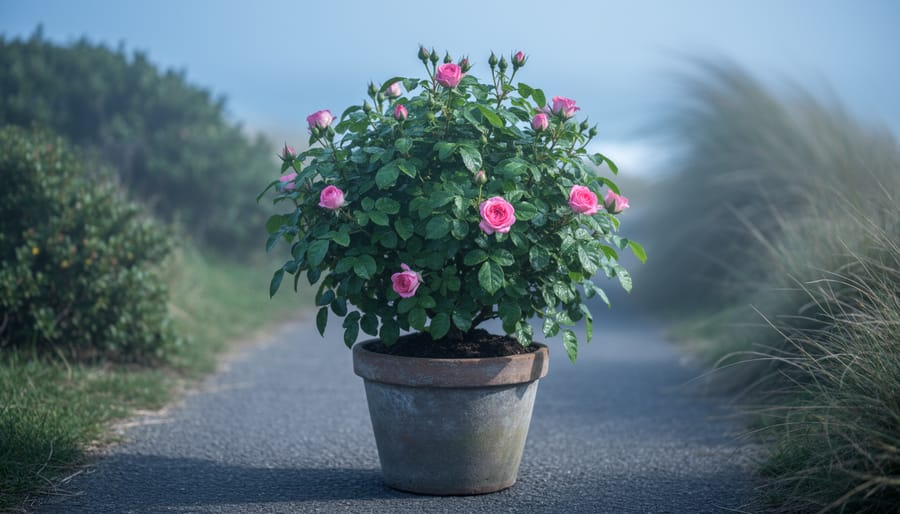
Miniature roses typically grow 6 to 24 inches tall, with most garden varieties settling between 12 and 18 inches. That’s the quick answer, but the number on your plant tag isn’t a promise. Height shifts with variety, pot size, sunlight, pruning, and your local climate, and you can steer all five to keep plants compact and full instead of leggy.
Here in Newburyport, our salty coastal air, windy spring days, and cold New England winters all leave their mark on how tall a miniature rose gets. A plant that sprawls to two feet in a sheltered spot may stay tidy at a foot near the harbor. Winter dieback can also reset your rose’s height each spring, which is why hard pruning isn’t something to fear.
This guide walks you through what shapes height, the simple tools you’ll need, safety basics, ordered pruning steps, and how to confirm your rose is growing the way you want. It’s an easy weekend project, even if you’ve never picked up pruning shears. And once your compact plants are blooming, those small, tender petals are lovely tossed into salads or frozen in ice cubes for a summer drink.
How Tall Do Miniature Roses Really Get?
The word “miniature” can be a little misleading. It describes a class of roses, defined by how small the blooms, leaves, and overall plant scale tend to be, rather than promising one exact size. If you want a fuller picture of what miniature roses are, it helps to think of them as a family with a wide range of heights rather than a single standard plant.
Two terms will make plant tags easier to read. “Mature height” is simply how tall a plant is expected to grow once it’s fully established, usually after a couple of seasons. “Habit” is the plant’s natural growth shape, such as upright and bushy, mounded, spreading, or climbing.
With that in mind, most miniature roses fall into three loose groups:
– Compact patio-scale plants: These stay small, often around 6 to 15 inches, and suit pots on a porch or windowsill.
– Mid-size bushes: These typically reach about 15 to 24 inches and work well in borders or larger containers.
– Taller, trailing, and climbing types: Some trailing forms spill over edges, and compact climbers can stretch to 3 feet or more with support.
Keep in mind that Miniature rose size varies, which is why a plant tag lists a range instead of one number. That range is a good starting point, not a promise. The height you actually get depends on sunlight, soil, watering, pruning, and the space your roots have to spread. A rose in a snug pot on a shady patio will usually stay shorter than the same variety planted in rich garden soil with plenty of sun.
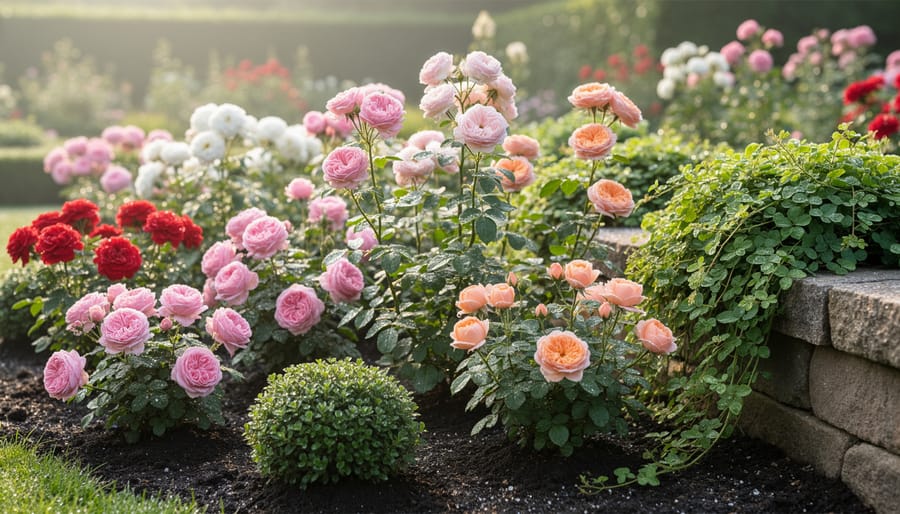
What Shapes the Height of Your Miniature Roses
Miniature roses grow to the size their care allows, so the same habits that keep a plant healthy also decide how tall it gets. Here’s what matters most:
- Variety: Each cultivar has its own genetic ceiling, so check the tag first.
- Light: Too little sun stretches stems into weak, leggy growth.
- Soil: Loose, well-draining soil supports steady, compact growth.
- Water: Deep, regular watering builds strong canes, while soggy roots stunt them.
- Feeding: Balanced fertilizer fuels growth, but too much pushes lanky stems.
- Container size: More root space allows a taller plant, and a snug pot keeps it compact.
- Pruning: Regular trimming sets the shape and caps the height you see.
- Climate: Cold winters and short seasons limit how much a plant can add each year.
Sunlight deserves special attention. The common target is about six hours of direct sun, and Roses need six hours sun to bloom well and stay sturdy. If your plant is stretching toward the light, it’s telling you it wants a brighter spot.
Soil and water work as a pair. Miniature roses like moisture, but they hate sitting in it, so drainage is the thing to get right. A pot with holes and a light, well-draining mix will do more for tidy growth than almost any gadget.
Then there’s your region. In New England, including gardens around Newburyport, cold winters and a shorter growing season mean plants have fewer months to put on height. Winter dieback is common too, where canes die back to lower on the plant. That’s normal, and it often keeps outdoor roses a bit shorter than the tag suggests, though healthy plants usually regrow from the base come spring.
Tools and Materials You’ll Need to Manage Rose Height
Good news: you don’t need a fancy kit to keep miniature roses at a manageable size. A few basic supplies cover both height control and plant health, and most are easy to find at a local garden center, whether you’re shopping in Newburyport or online.
- Sharp bypass pruners: make clean cuts that heal quickly, so you can shorten canes without crushing them.
- Clean cloth and rubbing alcohol: wipe your blades between plants to avoid spreading disease.
- Gardening gloves: protect your hands from thorns while you work close to the stems.
- A container with drainage holes: it limits root space for a compact plant and keeps soil from getting soggy.
- Quality potting mix or well-draining garden soil: loose, airy soil supports steady growth instead of stunted or leggy stems.
- Balanced rose fertilizer: feeds blooms and foliage without pushing weak, overly tall growth.
- Mulch: holds moisture, steadies soil temperature, and shields roots from cold snaps.
- A watering can: lets you water gently at the base, which keeps leaves dry and roots evenly moist.
Of everything on this list, sharp pruners and the right container probably have the biggest say in how tall your plant ends up. A snug pot keeps growth compact, while a bigger one gives roots room to support a taller bush. If you’re planting straight into the garden, skip the container and focus on soil that drains well, since soggy roots slow growth and invite trouble. Gather these items before you begin, and the steps ahead will feel much more relaxed.
Safety Warnings Before You Prune and Plant
Roses are generous plants, but even miniatures have thorns, and a few simple habits keep you safe and your plants healthy. Wear sturdy gloves and, when you’re trimming at face level, a pair of safety glasses, since a snapped cane can whip back unexpectedly.
Before each cut, wipe your pruner blades with rubbing alcohol or a clean cloth so you don’t carry disease from one plant to the next. When it’s time to feed, follow the package directions exactly. More is not better, and too much can burn roots and push weak, floppy growth. Our step-by-step guide on how to fertilize miniature roses shows how to measure it comfortably.
Timing matters too. Newburyport-area gardeners know a late cold snap can arrive after a mild spell, so wait until the hardest freezes have passed before you cut. Likewise, hold off if a plant looks wilted or struggling.
If you spot blackened spots, powdery coating, or clusters of tiny insects on the stems, pause. Reassess and treat the problem first instead of cutting aggressively, because healthy plants recover from pruning far better.
Step-by-Step: Growing and Pruning Miniature Roses to Your Target Height
Choosing the Right Container or Garden Spot
Your container or garden spot sets a ceiling on how tall your miniature rose can get. A larger root space supports a bigger plant, while a snug pot helps keep growth compact. For most patio-scale varieties, a pot about 10 to 12 inches wide with drainage holes works well, and a spot with around six hours of direct sun keeps stems sturdy.
Here’s the whole sequence, from planting to pruning:
- Check your variety’s expected mature height on the plant tag.
- Pick a pot or garden spot with good drainage and about six hours of sun.
- Plant at the depth the nursery pot used, then water deeply.
- Add a layer of mulch around the base.
- Feed on a regular schedule through the growing season.
- Prune modestly in early spring to shape and limit height.
- Deadhead spent blooms through summer.
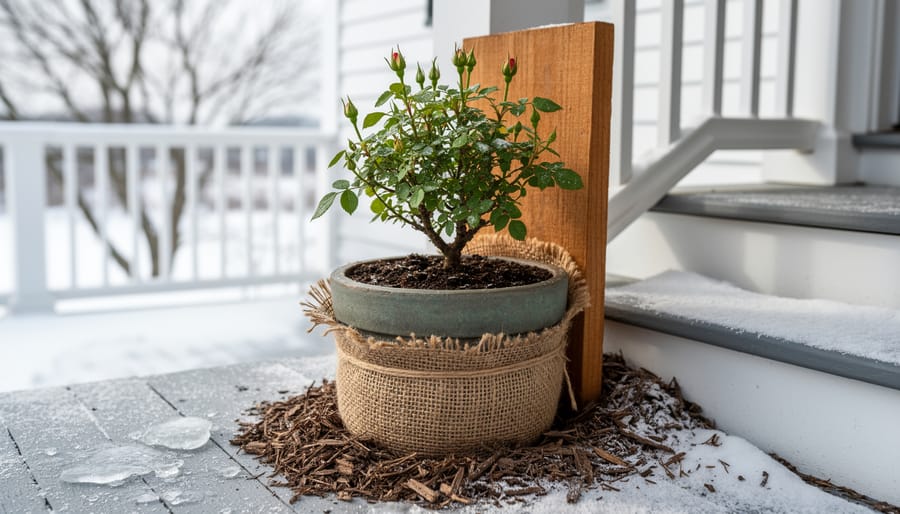
When colder months arrive, move potted roses to a sheltered spot, like against a house wall or into an unheated garage, so winter doesn’t undo your careful sizing.
Pruning for Height and Shape
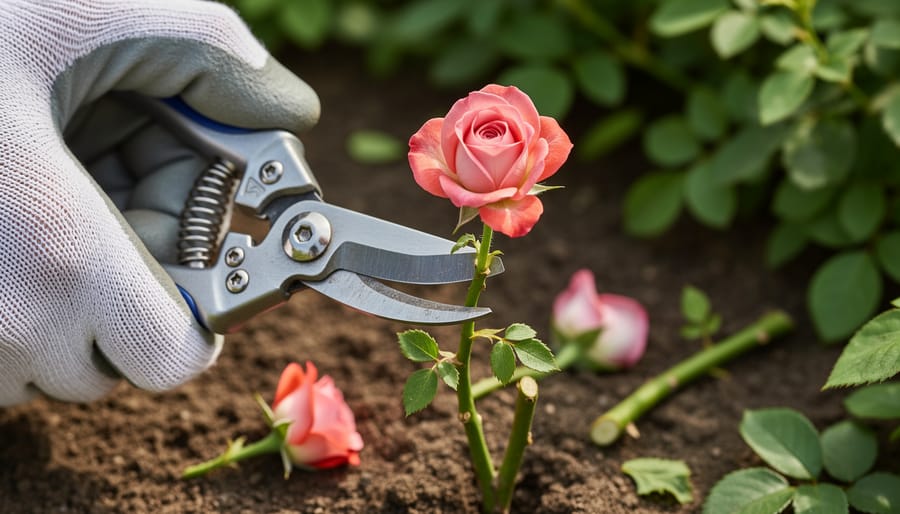
Start with the easy cuts. Snip out any canes that look dead (brown, dry, or shriveled) and any that cross and rub against each other, since rubbing wounds invite disease. Cut each one back to healthy green tissue or all the way to its base.
Next, shape the plant. Look for a bud eye, the small bump on a stem where new growth will sprout, and make your cut about a quarter inch above one that faces outward. That way, the new stem grows away from the center and keeps the plant open and airy.
To lower the height, shorten the stems by no more than about one-third at a time. Taking off too much in one go can stress the plant and slow its recovery.
If you’re new to this, prune modestly. Roses are forgiving, and each season you’ll learn a little more about how your plant responds.
Checking Your Results and Planning Next Steps
Once the season is underway, give your plant an honest check-up. Start with a tape measure: stand it next to the pot or at the base of the plant and compare the height to the range on your variety’s tag. A rose that lands inside that range is right on track, and a few inches either way isn’t cause for worry.
Then look at the plant itself. Here’s what a healthy rose tells you, and what to tweak if something’s off:
- Sturdy, thick new canes with short gaps between leaves mean light and feeding are about right.
- Glossy, deep green foliage means roots are happy, so keep your watering routine.
- Steady blooms through the season mean you’re deadheading and feeding well.
- Long, thin, leggy stems mean the plant is stretching for light, so move it somewhere sunnier.
- Stunted growth or yellowing leaves usually point to soggy soil or hunger, so check drainage and feed on schedule.
From there, plan ahead. Repot every year or two if roots poke from the drainage holes, keep up seasonal feeding until late summer, and mulch or move pots to a sheltered spot before a Newburyport frost settles in.
Finally, enjoy the reward. Spent blooms don’t have to go to waste: dry them on a screen and use rose petals in potpourri or little sachets for your drawers.
Miniature Rose Height: Common Questions
Do miniature roses stay small forever?
Not always. “Miniature” describes the bloom and plant scale, so some varieties settle at a compact size while others keep stretching with good light and feeding. Check your variety’s expected mature height on the tag and plan from there.
How much should I prune?
Go gently. Shorten canes by no more than about one-third at a time, cutting just above an outward-facing bud. Pruning lightly each year teaches you what your plant responds to.
Why is mine growing taller than the tag says?
Tags give ranges, and ideal conditions often push plants to the top of them. Rich soil, a roomy pot and plenty of sun can all add height, and pruning keeps the shape in check.
Can they survive a Massachusetts winter outdoors?
Many can, especially when planted in the ground with a layer of mulch. Potted roses are more exposed, so move them to a sheltered spot such as an unheated garage or against a protected wall once the cold settles in.
Indoor growing is the question I hear most from beginners, and the answer is a cautious yes. A bright south-facing window can work for a while, but miniature roses crave about six hours of direct sun, so indoor plants often turn leggy and thin. Many gardeners enjoy them inside for a short stretch, then return them outdoors when the weather allows.
It also helps to remember that these plants follow seasonal rhythms. Understanding the miniature rose growing cycle makes it much easier to time pruning, feeding and winter protection around Newburyport’s cold months. Plants that rest in winter bounce back with sturdy new growth in spring, and you can reward yourself with a handful of spent petals for a sachet along the way.
Miniature rose height comes down to two things: the variety you choose and the care you give it. Match the plant to your space, whether that’s a sunny windowsill, a patio pot, or a bed along a Newburyport fence line, and then keep up with steady watering, feeding, light, and modest pruning. Do that, and your roses will settle into a size that suits you.
Don’t worry if your first season doesn’t go perfectly. Every gardener learns by watching how a plant responds, and miniature roses are forgiving teachers.
When the blooms start piling up, keep exploring. There are plenty of creative uses for rose petals to try, from sachets to homemade treats, and rose gardening pairs nicely with other home and garden projects. Grow at your own pace, enjoy each flower, and trust that you’re doing better than you think.